
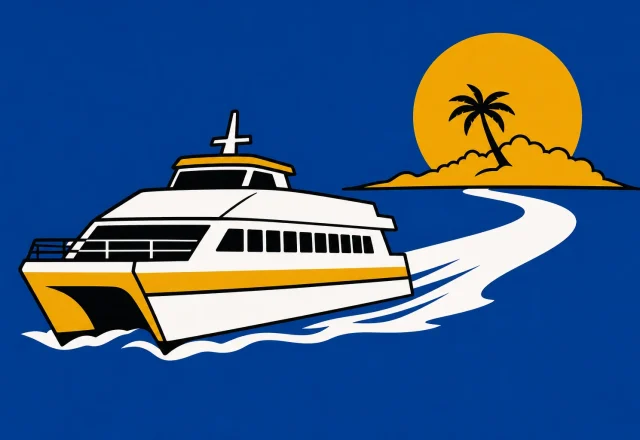
Your trip to Isla Mujeres starts long before you hit the sand. It starts with choosing the right ferry from Cancun, buying the right ticket, and not wasting an hour in the wrong terminal line.
In this 2026 guide you’ll learn which terminals to use, typical prices and timings, how the boarding process works, what to expect at the terminals, and the smart tricks locals and repeat visitors use to make the crossing easy.
Why Take the Ferry from Cancun to Isla Mujeres in 2026?
The ferry is the only practical way to get from Cancun to Isla Mujeres for most travelers. There’s no bridge, and small private boats are either expensive, unsafe in bad weather, or both.
Modern ferries on this route are fast, frequent, and comfortable. You get air‑conditioning inside, open decks on top, and a short 20–30 minute crossing that becomes part of the trip rather than a chore.
Overview of Ferry Routes and Terminals
All public ferries to Isla Mujeres leave from the Cancun area and arrive at the main ferry pier in downtown Isla Mujeres. The key difference is where you start in Cancun and how easy it is to reach that terminal from your hotel.
Puerto Juarez Terminal — Location & Transportation
Why most people use Puerto Juarez
Puerto Juarez is the workhorse terminal for the ferry from Cancun to Isla Mujeres. It usually has:
- The highest frequency of departures
- The earliest and latest sailings
- The simplest layout and easiest boarding
Approximate location
- Area: North Cancun, on the mainland coast
- By car: about 10–20 minutes from the Hotel Zone (depending on traffic)
- What to look for on a map: “Puerto Juarez” or “Terminal Marítima Puerto Juarez / Gran Puerto”
How to get to Puerto Juarez
- Taxi from Hotel Zone: Easiest choice. Tell the driver “Puerto Juarez, ferry a Isla Mujeres.” Agree on the price before you get in, or insist on the meter.
- Ride‑hailing apps: Availability changes, but where allowed they’re often cheaper than hotel taxis.
Local bus + short taxi
- Take a bus from the Hotel Zone toward downtown Cancun (R‑1 or R‑2 type routes) and get off near the final stop.
- Grab a short taxi from downtown to Puerto Juarez.
- Rental car: There are paid parking lots around the terminal. Confirm day rates when you arrive; bring cash.
If you’re staying in downtown Cancun, Puerto Juarez is especially convenient and cheap to reach.
Playa Tortugas and Other Ferry Points
Some ferries to Isla Mujeres operate from piers along the Hotel Zone. These are appealing if you’re staying oceanfront and don’t want to go into town.
Common Hotel Zone departure piers include:
- Playa Tortugas
- Playa Caracol / Caracol pier
- El Embarcadero
Not every pier runs Isla Mujeres departures all year, and operators sometimes shift schedules, so always check current details with the boat company or your hotel concierge.
When Hotel Zone piers make sense
- You’re staying nearby and want a short walk or quick taxi.
- You don’t mind paying a little more for convenience.
- You value the “walk out of the hotel and onto a boat” experience over strict budget savings.
Trade‑offs vs Puerto Juarez
- Usually fewer daily departures than Puerto Juarez.
- Mid‑day tourist crowds can be heavier.
- Schedules may be more seasonal.
If your priority is reliability and flexibility, choose Puerto Juarez. If your priority is pure convenience from a specific beach hotel, a Hotel Zone pier may win.
Ferry Services: Options, Duration, and Pricing
Several companies operate on the Cancun–Isla Mujeres route. Names and branding can change, but the service pattern is similar: modern catamaran‑style ferries, indoor AC seating, and open decks.
Regular vs Fast Ferry — What’s the Difference?
On this route, “regular” vs “fast” doesn’t mean an old slow ship vs a cutting‑edge catamaran. It’s usually just branding or a small difference in cruising speed.
Typical experience in 2026:
- Standard ferry crossing time: about 20–30 minutes, pier to pier
Weather impact
- Calm seas: closer to 20 minutes
- Rough seas: closer to 30 minutes, with more motion on the open deck
Comfort
- Inside: air‑conditioned, cushioned seating, less motion
- Outside/top deck: better views and photos, wind and spray, more motion
If one operator advertises a “fast ferry,” the time saving is usually marginal. Choose by schedule, price, and proximity of terminal rather than marketing labels.
Current Ticket Prices and Where to Buy
Exact 2026 fares can vary by operator, currency shifts, and promo campaigns, and they change more often than guidebooks. Still, you can expect some consistent patterns:
- You pay more from Hotel Zone piers than from Puerto Juarez.
- Round‑trip tickets are usually better value than two one‑way tickets.
- Foreign tourists often pay a higher fare tier than local residents.
Typical ways to buy tickets:
Official website or app of the ferry operator
Pros
- Lock in your preferred departure time.
- Avoid the “full boat” surprise at peak hours or holidays.
Cons
- Some sites charge booking or payment fees.
- Change rules can be strict on cheaper tickets.
At the terminal ticket window
Pros
- Simple cash or card purchase.
- You see the exact schedule and current prices on the boards.
Cons
- Lines during peak times.
- A sold‑out departure means waiting for the next boat.
Via hotel, tour desk, or agency
Pros
- They handle logistics; sometimes bundled with transfers.
Cons
- Often the most expensive option because of commission.
- Change or refund usually has to go through the seller.
How early to buy
- Regular days: buying same day is fine outside peak holiday periods.
- Christmas/New Year, Easter week, big Mexican holidays: pre‑book online or buy at least a day early, especially if you’re traveling in a big group.
Round-Trip and Group Discounts
Most operators on this route price round‑trip tickets as a discount versus two one‑ways. The savings per person can range from small to meaningful, depending on the route and operator.
Common patterns:
- Round‑trip validity: often same day or open for several days; check the fine print before you pay.
- Family discounts: some sellers offer child fares or family bundles. Ask about:
- Age cutoffs (often under 5 or 6 free, reduced rates for older children).
- Group rates: if you’re 10+ people, email the ferry company in advance and ask for a group price. You may get:
- Discounted fare per person
- Help with seating together or boarding as a group
If you’re staying multiple days on Isla Mujeres, open‑return tickets are useful. Just confirm whether you need to choose a specific return time or can show up for any sailing.
Ferry Schedules and Best Departure Times
Exact 2026 timetables are set by each operator and adjusted seasonally. But the pattern of service on Cancun–Isla Mujeres ferries is established and predictable.
Frequency and Operating Hours
On a typical day:
- First boats: early morning from both Cancun and Isla Mujeres
- Last boats: late evening, giving flexibility for dinners and night returns
- Frequency: often every 30–60 minutes from Puerto Juarez for much of the day, with gaps longer from some Hotel Zone piers
Think of Puerto Juarez as having a metro‑like frequency most of the day. Hotel Zone piers tend to have a more limited, tourist‑oriented timetable: fewer early‑morning or late‑night options.
How to check an accurate schedule
- Go to the official website of your chosen operator and look for “Horarios / Schedules.”
- Check if they list high season vs low season variations.
- The day before travel, confirm again; last‑minute weather or maintenance changes show here first.
Tips to Avoid Crowds and Get the Best Seats
Crowding is predictable if you think like a tour bus.
Typical busy times from Cancun to Isla Mujeres:
- 9:00–11:30 a.m. when most day‑trippers head over
- Mid‑afternoon in high season
Typical busy times from Isla Mujeres back to Cancun:
- Late afternoon, especially 4:00–6:30 p.m., when tours end
- Just before sunset on good‑weather days
To avoid crowds:
- Take earlier ferries: 7:00–9:00 a.m. slots are usually calmer and the island is cooler.
- Aim for midday returns if you can leave the island around lunch, skipping the late‑afternoon rush.
- From Puerto Juarez, if you find a long line, ask staff whether the next departure is only minutes behind; sometimes waiting 30 minutes gets you a much emptier boat.
Best seats and views
- For views on the way to Isla Mujeres: sit or stand on the top/open deck on the right‑hand side as you face forward for wide Caribbean views.
For those prone to seasickness
- Sit inside, near the center of the boat. Less motion.
- Avoid the bow (front) and top deck on rough days.
- For quick exit: sit near the main exit door but keep aisles clear until the boat is docked.
What to Expect at the Ferry Terminal (2026 Updates)
Terminals for the ferry from Cancun to Isla Mujeres are functional rather than glamorous, but they’ve steadily improved comfort and organization.
Facilities and Amenities
Facilities vary slightly between Puerto Juarez and the Hotel Zone piers, but you can usually expect:
- Ticket counters and kiosks for same‑day purchases and changes
- Waiting areas with shaded seating
- Basic food and drink: small cafés, snack stands, or nearby restaurants
- Restrooms in or near the terminal building
- ATMs nearby; reliable but don’t wait until the last second to use them
Small shops or stalls selling
- Water, soft drinks, snacks
- Sunscreen, hats, beach gear
- Basic souvenirs
Power outlets and Wi‑Fi are inconsistent. Don’t count on a quiet spot to work; think “transit hub,” not airport lounge.
Boarding Process and Wait Times
The boarding flow is fairly streamlined now:
- Arrive and buy/confirm ticket
- If you bought online, show your voucher or QR code at the counter if required, or go straight to boarding if your ticket allows it.
- Check departure pier/door
- Screens or staff will direct you to the correct boarding area for your boat and time.
- Security check
- Bag inspection and quick screening are standard. Liquids are generally allowed but avoid large alcohol bottles or anything sharp.
- Boarding call
- Staff open the gate. Boarding is usually first‑come, first‑served by line, not seat number.
- You walk down a gangway or ramp and step directly onto the ferry.
- Departure
- Boats generally leave on time once loaded, especially on busy days.
How early to arrive
- Normal days: 30–40 minutes before departure is usually more than enough.
- Peak season / holidays: aim for 45–60 minutes ahead, especially from Hotel Zone piers where visitor traffic is more tour‑heavy.
- With a big group or lots of luggage: give yourself extra margin.
Luggage and Accessibility Information
Luggage rules
On the Cancun–Isla Mujeres route, ferries are used like a floating bus. You’ll see:
- Carry‑ons, backpacks, and beach bags
- Suitcases for people staying on Isla Mujeres
- Occasional sports gear (dive equipment, golf clubs, etc.)
Common practice:
- Small bags: you keep them with you.
- Larger suitcases: placed in a designated area on board, often near the entrance or in a luggage rack section.
Tips:
- Label your bags with your name and hotel.
- Keep passports, money, electronics, and medication in a small daypack you keep under your control.
Pets
Policies differ by operator, but in general:
- Small pets may be allowed on leash or in a carrier.
- Some ferries restrict pets to outside decks.
- Muzzles may be requested for larger dogs.
Always check your specific ferry’s pet policy ahead of time to avoid last‑minute surprises.
Accessibility
Modern ferries and the main terminals on this route are reasonably accessible, though not perfect.
Typical features:
- Ramps rather than stairs for boarding, though slope can be steeper at low tide.
- Wide entry doors and aisles that can handle standard wheelchairs.
- Priority seating options near entrances.
Points to consider:
- The transition from pier to boat can involve small gaps or uneven thresholds. Staff are usually willing to help.
- Accessible restrooms may or may not be available at every pier building, so plan ahead.
If you use a wheelchair or have mobility challenges, tell staff as soon as you arrive at the terminal. They’re used to assisting and can guide you on the easiest route.
Practical Tips for a Smooth Ferry Experience
Small decisions before you leave your hotel will change how pleasant your crossing feels.
What to Bring and Prepare (Weather, Snacks, etc.)
A Cancun–Isla Mujeres crossing is short, but tropical weather can be intense.
Packing checklist for the ferry:
Sun protection
- Sunscreen (reef‑safe if you’ll be swimming later)
- Hat and sunglasses
- Light layer: A thin long‑sleeve or light scarf if you get cold easily in air‑conditioning.
- Water and a small snack: You can usually buy drinks and snacks, but prices are higher and lines can be slow.
- Motion sickness remedies: Pills, ginger candy, or acupressure bands if you’re sensitive on boats.
- Waterproof pouch for phone and documents if you plan to stand on the windy, splashy top deck.
Dress in comfortable, quick‑dry clothing and shoes that won’t slip on wet surfaces. Avoid glass bottles and anything that can blow away easily on deck.
COVID-19 Safety and Travel Guidelines (2026)
By 2026, many formal COVID‑19 rules for ferries have eased, but policies still vary by country, local health guidance, and individual operators.
Expect a mix of the following:
- Masks: Often optional, but some companies may require or recommend them in enclosed, crowded indoor areas. Carry one in your bag.
Health screening
- Occasional temperature checks or health questions, especially during outbreaks.
- Anyone visibly ill may be denied boarding.
Hygiene
- Hand sanitizer stations near entrances and ticket counters.
- Encouragement to maintain some distance in lines and waiting rooms when possible.
Simple best practices:
- Don’t travel if you feel sick or have flu‑like symptoms.
- Carry a mask and small hand sanitizer.
- Use the open deck when practical, as outdoor spaces reduce close contact.
Before you travel, check your ferry operator’s latest guidelines and any national or state health advisories for Mexico and your home country.
Combining Ferry with Local Transport
Think door‑to‑door: hotel → Cancun ferry → Isla Mujeres → island transport.
From Cancun hotels to ferry terminals
Hotel Zone to Puerto Juarez
- Taxi: straightforward; confirm price in advance.
- Bus + taxi: bus to downtown, taxi for the final leg. Good if you’re on a budget and comfortable with local buses.
- Hotel Zone to Hotel Zone piers (Playa Tortugas / Caracol / Embarcadero):
- Often walkable from nearby hotels.
- Short taxi ride if you’re farther away along the strip.
From Isla Mujeres ferry terminal to your lodging
You arrive at the main pier in downtown Isla Mujeres. From there:
- Small taxis wait outside; they run fixed local routes with posted fares.
- Golf cart rentals are near the port. Some hotels include pickup or give you clear walking directions.
- If you’re staying in the north part of the island (Playa Norte / downtown), many hotels are within walking distance.
To avoid confusion, have your hotel’s name and address written down or saved on your phone. Show it to the taxi driver instead of relying on pronunciation.
Alternatives to Ferry Travel: Pros and Cons
For practical purposes, the ferry from Cancun to Isla Mujeres is the default and best option. Still, you may see other offers.
Private boat or charter
Pros
- Custom schedule and route.
- Extra privacy, swimming stops, or snorkeling on the way.
Cons
- Significantly more expensive than ferries.
- Dependent on sea conditions; small boats can be uncomfortable or unsafe in rough weather.
- Licensing and safety standards vary; you must vet operators carefully.
Hotel or tour‑packaged transfers
Technically these still use the public or chartered boats, but bundled:
Pros
- “One price for everything” simplicity: hotel pickup, ferry, sometimes island activities.
- Good for first‑time visitors who don’t want to plan details.
Cons
- Less flexibility with timing.
- Higher cost than arranging taxi + ferry on your own.
Why ferries win for most people:
- Regular departures, predictable timing.
- Clear safety procedures and professional crews.
- Fixed, published prices.
- Easy access from both downtown Cancun and the Hotel Zone.
Conclusion: Your Ultimate 2026 Ferry Travel Checklist
Use this quick checklist the morning you travel:
Terminal chosen
- Puerto Juarez for frequency and value
- Hotel Zone pier for convenience from your resort
Tickets
- Round‑trip booked (online or at terminal)
- Group or family rate checked if traveling with others
Timing
- Arrive 30–60 minutes before departure
- Early morning sailings chosen to avoid crowds when possible
Packing
- Passport, wallet, phone, hotel details
- Sunscreen, hat, water, light layer, motion sickness remedy if needed
Logistics
- Taxi or bus plan from hotel to terminal
- Plan from Isla Mujeres pier to your hotel (taxi or golf cart)
Health & safety
- You feel well enough to travel
- Mask and hand sanitizer in your bag, just in case
Save this guide, pick your terminal, and check your ferry’s latest schedule and prices a day before you sail. Once that’s set, the Cancun–Isla Mujeres crossing becomes the easiest, and maybe the most scenic, part of your trip.

Alison is a travel writer passionate about solo adventures, photography, and memorable getaway escapes. She loves uncovering Cancun’s scenic coastline, boutique stays, local experiences, and hidden gems, creating stories that help curious travelers see more than the usual tourist highlights. Her work has been featured in Forbes, CNN, Travel + Leisure, Yahoo, and other major outlets.